Collision and comprehensive are the two coverages that protect your own car. Liability insurance, which almost every state requires, pays for damage you cause to other people and their property. It doesn't pay a cent toward repairing your vehicle. That's the job of collision and comprehensive.
The two are often sold together, and together with liability they make up what people usually call "full coverage." But they cover very different situations, they can have different deductibles, and in some cases it makes sense to carry one without the other. This guide explains how each works, what falls under which, what neither covers, and how to decide what's right for your car.
The short version
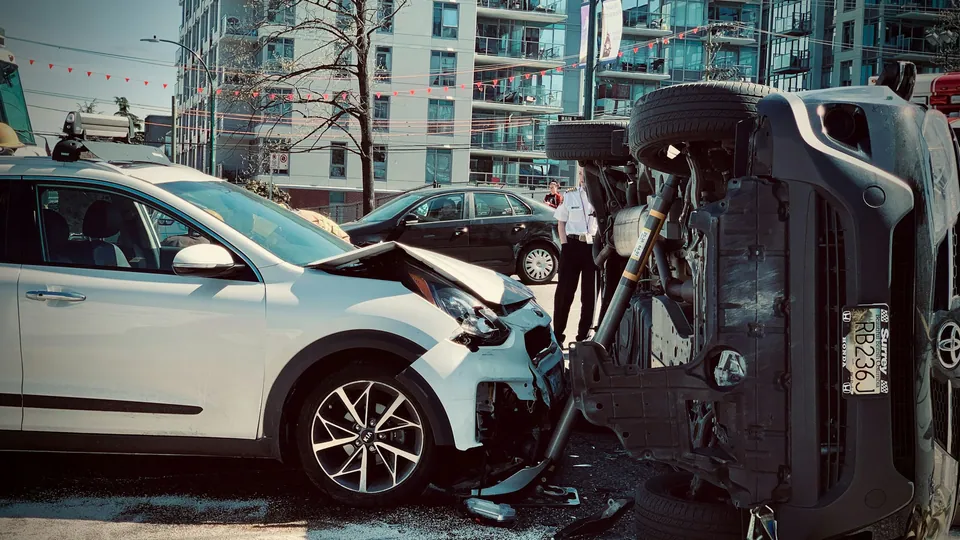
Collision pays to repair or replace your car after it hits, or is hit by, another vehicle or an object, regardless of who was at fault.
Comprehensive pays for damage from almost everything else: theft, vandalism, fire, falling objects, storms, floods, hail and collisions with animals. It's sometimes called "other than collision" coverage, which is a helpful way to remember it.
| What happened | Usually covered by |
|---|---|
| You rear-end another car | Collision (and your liability pays for the other car) |
| You back into a pole or a garage door | Collision |
| Your car rolls over | Collision |
| You hit a deer | Comprehensive |
| A tree branch falls on your parked car | Comprehensive |
| Hail dents the roof and hood | Comprehensive |
| Your car is stolen | Comprehensive |
| Someone keys the paint or breaks a window | Comprehensive |
| A flood damages the engine and interior | Comprehensive |
| A rock cracks your windshield | Comprehensive (or separate glass coverage, if you have it) |
| You hit a pothole and damage a wheel | Usually collision |
Policies differ, and the wording in your policy is what counts. If a situation is borderline, your insurer decides which coverage applies when you file the claim.
How collision coverage works
Collision coverage pays for damage to your car from a crash with another vehicle or with an object such as a guardrail, a wall, a pole or a parked car. It also generally covers single-car accidents like rollovers or sliding off the road.
A key feature of collision is that it pays regardless of fault. If you cause the accident, collision is how your own car gets fixed. If someone else causes it, you can usually choose between two routes:
- Claim through the other driver's liability insurance. Their insurer pays for your repairs and you don't owe a deductible. This can take longer, because their insurer needs to accept fault.
- Claim through your own collision coverage. Your insurer pays for repairs minus your deductible, then pursues the at-fault driver's insurer to recover what it paid. This process is called subrogation. If it succeeds, you may get some or all of your deductible back.
Using your own collision coverage is often faster, which matters when you depend on your car. It's worth asking your insurer how it handles not-at-fault claims, since practices vary.
How comprehensive coverage works
Comprehensive covers damage from events that aren't collisions with another vehicle or object, and that are mostly outside your control. Common examples include:
- Theft of the vehicle, and damage done during a theft or attempted theft
- Vandalism and riots
- Fire, including engine fires
- Weather: hail, windstorms, hurricanes, tornadoes and lightning
- Flooding and water damage
- Falling objects such as trees, branches or debris
- Hitting an animal, such as a deer
- Glass damage, including cracked windshields from road debris
Hitting an animal surprises many drivers: even though it's a collision in everyday language, insurers generally treat it as comprehensive. Swerving to avoid the animal and hitting a tree instead, however, is usually a collision claim. That distinction can matter if your two deductibles are different.
What neither coverage pays for
Collision and comprehensive cover sudden, accidental damage. Neither is a maintenance plan or a warranty. Typical exclusions include:
- Wear and tear, such as worn tires, brakes or paint fading over time
- Mechanical breakdown, such as a failed transmission or engine trouble that wasn't caused by a covered event
- Personal belongings stolen from the car. These are generally covered by homeowners or renters insurance, not auto insurance
- Aftermarket parts and custom equipment, such as upgraded wheels, audio systems or wraps, unless you've added custom equipment coverage
- Using the car for business or ridesharing, unless your policy or a rideshare endorsement covers it
- Intentional damage you cause yourself
If any of these matter to you, ask your insurer about add-ons. Many offer custom equipment coverage, rideshare endorsements and mechanical breakdown coverage at an extra cost.
Deductibles: often different for each
Both coverages usually come with a deductible: the amount you pay toward a claim before insurance pays the rest. You can often choose a different deductible for each. A common setup is a lower comprehensive deductible and a higher collision deductible, because comprehensive claims such as glass damage or hail tend to be smaller and more frequent, while collision claims tend to be larger.
Some insurers and some states offer reduced or zero deductibles for windshield repair or replacement. If you drive a lot on highways, it's worth checking whether your policy has a glass provision.
A higher deductible lowers your premium, but it means paying more out of pocket after a claim. For a full explanation, see How Does an Auto Insurance Deductible Work?
How much they pay: actual cash value
Both coverages normally pay up to the car's actual cash value (ACV): its market value just before the damage, considering age, mileage and condition. That's not what you paid for it, and it's not the cost of a brand-new replacement.
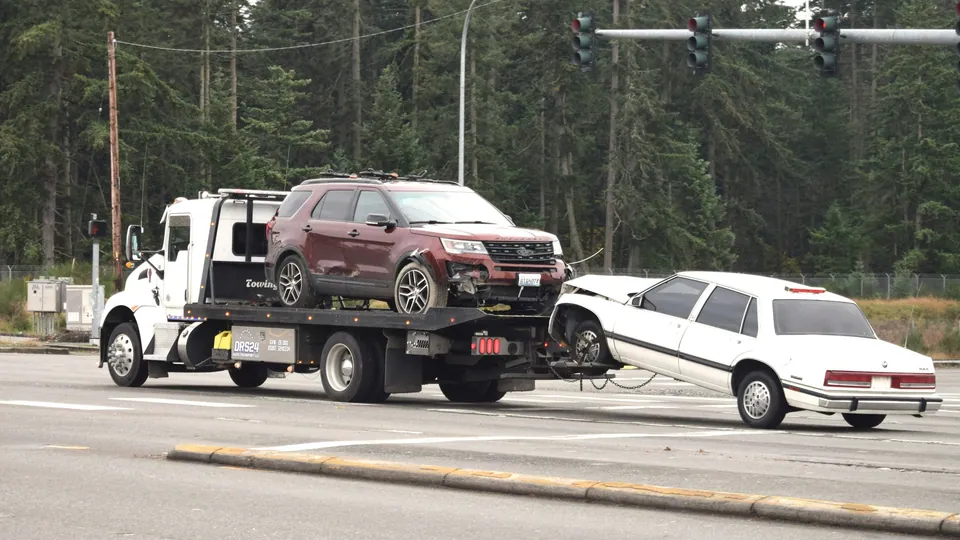
If the cost of repairs approaches or exceeds the car's value, the insurer usually declares it a total loss and pays the ACV minus your deductible. The threshold for a total loss depends on the insurer and the state.
This matters most when you have a loan. Cars often lose value faster than loan balances fall, especially early in a loan with a small down payment. If your car is totaled while you owe more than it's worth, the insurance payout may not cover the full loan balance. That gap is what gap insurance is designed to cover.
Are they required?
No state requires collision or comprehensive coverage by law. State laws focus on liability, and some states also require coverages such as personal injury protection or uninsured motorist coverage.
However, if you finance or lease your car, the lender or leasing company will almost always require both, and often sets a maximum deductible, such as $1,000. That's because the car is the collateral for the loan: if it's wrecked or stolen, the lender wants to be sure the loan can still be repaid. If you let the coverage lapse, the lender may buy insurance on your behalf (called force-placed insurance) and add the cost to your loan. That coverage is usually expensive and protects the lender, not you.
Once your car is paid off, the decision is entirely yours.
Can you have one without the other?
Often, yes. Many insurers let you buy comprehensive without collision. That can make sense for:
- An older, paid-off car you rarely drive, where crash risk is low but theft, weather or a falling branch could still cause a loss
- A car kept in storage for a season, where crash risk is near zero but damage from fire, flood or theft is still possible
Buying collision without comprehensive is less common, and some insurers don't offer it. Check with your insurer for the combinations it allows.
When to consider dropping them
As a car ages, its value falls, and so does the most these coverages can ever pay out. At some point the yearly cost of the coverage, plus your deductible, starts to approach what you'd receive if the car were totaled. That's when it's worth reviewing.
A common rule of thumb: if the yearly cost of collision and comprehensive is more than about 10% of the car's value, consider whether you still need them. It's a starting point, not a rule. The more important questions are:
- Could you afford to repair or replace the car yourself if it were wrecked or stolen tomorrow?
- How much do you rely on it? If losing it would put your job or family commitments at risk, keeping the coverage may be worth the cost.
- What's the realistic risk where you live and park? High theft rates, frequent hail or a long daily commute all make the coverage more valuable.
A worked example
Imagine a paid-off car worth about $4,000. Collision and comprehensive together cost $600 a year, with a $500 deductible on each.
- If the car were totaled, you'd receive about $3,500: its value minus the deductible.
- Over three years, you'd pay about $1,800 for the coverage, while the car's value, and so the most you could ever collect, keeps falling.
- The coverage cost is 15% of the car's value each year, above the 10% rule of thumb.
If you could replace the car from savings without hardship, dropping collision, and possibly comprehensive, may be reasonable. If losing the car would be a financial emergency, keeping at least comprehensive might still be worth it. The numbers here are illustrative; use your own quotes and your car's current market value.
How they affect your premium
Collision is often the more expensive of the two, because crashes are frequent and repairs are costly. Comprehensive tends to cost less, but varies a lot by location: areas with high theft rates or severe weather usually pay more.
The factors that affect both include the car's value and repair costs, where you live and park, your deductibles, and, for collision especially, your driving record. To see how coverage choices and deductibles can change an estimate, try our Car Insurance Calculator. For the wider picture of what drives your price, see How Are Car Insurance Rates Calculated?
Putting it together
- Collision covers crashes with vehicles and objects, regardless of fault.
- Comprehensive covers theft, weather, fire, vandalism, falling objects, animals and most glass damage.
- Both pay up to the car's actual cash value, minus your deductible.
- Lenders require both while you're paying off a loan or lease. Once the car is yours, the choice depends on its value, your savings and your risk.
When comparing quotes, make sure each one includes the same coverages with the same deductibles. Our guide on how to compare car insurance options walks through it step by step, and Liability vs Full Coverage covers the broader decision.
Frequently asked questions
Is hitting a deer covered by collision or comprehensive?
Usually comprehensive. Insurers generally treat collisions with animals as comprehensive claims. If you swerve to avoid the animal and hit something else, such as a tree or a guardrail, that's usually a collision claim instead.
Does comprehensive cover a cracked windshield?
Typically yes, unless you have separate glass coverage. Some insurers and states offer reduced or zero deductibles for windshield repair, so check your policy's glass provisions.
Will my rates go up if I file a comprehensive claim?
It depends on the insurer and the claim. Comprehensive claims for events outside your control, like hail or theft, often affect rates less than at-fault collision claims, but multiple claims of any kind can lead to higher premiums.
Do I need collision if my car is old?
Not necessarily. If the car's value is low and you could afford to repair or replace it yourself, the cost of collision coverage may outweigh what it could pay out. If you still have a loan, your lender will usually require it.