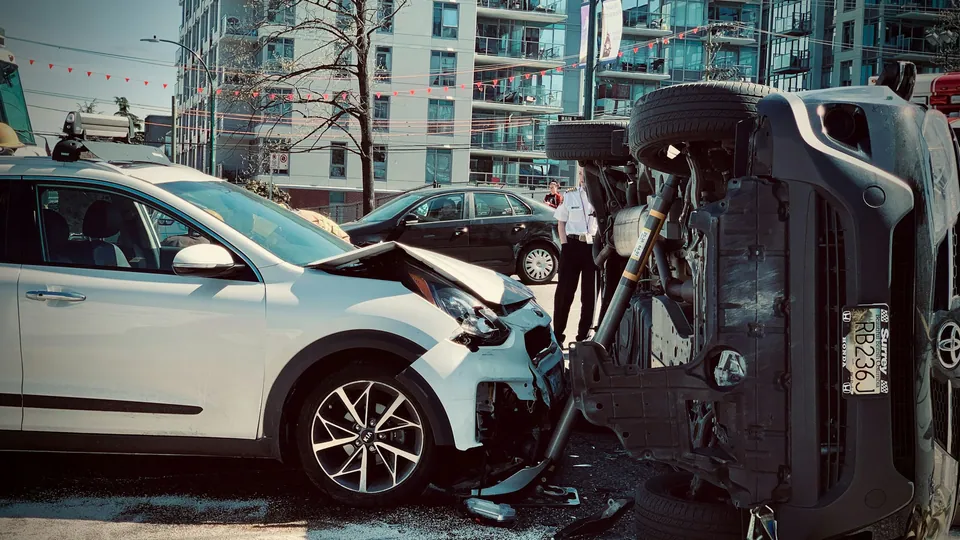
Most people assume that if their car is totaled, their insurance pays off the car. Often it doesn't. Your insurer pays what the car was worth at the time of the loss, not what you owe on it. When the loan balance is higher than the car's value, which is common in the first few years of a loan, the difference is still yours to pay.
Gap insurance exists to cover that difference. This guide explains why the gap happens, how gap coverage works, where you can get it, what it typically costs, and how to tell whether you need it.
Why the "gap" exists
Two things move at different speeds after you buy a car:
- The car's value drops, and usually fastest in the first year or two. New cars in particular can lose a large share of their value early on.
- Your loan balance falls slowly at first, because early payments go mostly toward interest. You can see this in any loan's amortization schedule.
When value falls faster than the balance, you're "upside down" (also called negative equity): you owe more than the car is worth. If the car is stolen or totaled during that period, your insurance pays the car's actual cash value, minus your deductible, and the remaining loan balance doesn't go away.
An example
Say you bought a car with a small down payment and, a year later, it's totaled in an accident:
| Remaining loan balance | $28,000 |
|---|---|
| Car's actual cash value | $22,000 |
| Your collision deductible | $1,000 |
| Insurance payout (value minus deductible) | $21,000 |
| Still owed to the lender | $7,000 |
Without gap coverage, you'd owe $7,000 on a car you no longer have, and you'd likely need another car at the same time. Gap insurance would typically cover the $6,000 difference between the payout before the deductible and the loan balance. Some gap policies also cover the deductible; many don't. The figures here are illustrative; the details depend on your policy.
How gap insurance works
Gap coverage only applies after a total loss: the car is stolen and not recovered, or damaged so badly that the insurer declares it a total loss. It doesn't pay for repairs, and it doesn't replace your collision or comprehensive coverage. You need those for gap to work, because gap pays the difference after your regular insurer has paid the car's value.
The sequence usually looks like this:
- Your car is totaled or stolen and you file a claim with your auto insurer.
- Your insurer determines the actual cash value and pays it, minus your deductible, usually directly to your lender.
- You file a gap claim, typically with documents such as the insurance settlement, the loan statement and the purchase contract.
- The gap provider pays the remaining eligible balance to the lender.
What gap insurance usually doesn't cover
Gap coverage is narrow by design. Depending on the policy, it commonly excludes:
- Your deductible, unless the policy specifically includes it
- Overdue payments, late fees and other charges you owed before the loss
- Negative equity rolled in from a previous car, which some policies exclude or limit
- Extended warranties, service contracts and other add-ons financed into the loan
- Amounts above a cap. Some policies limit the payout, for example to a percentage of the car's value
- A down payment for your next car. Gap pays off the old loan; it doesn't help you buy a new one
Because the details vary, read the terms before you buy, especially any payout cap and whether rolled-in negative equity is covered.
Where to get gap insurance
There are three common sources, and the price difference between them can be large:
| Source | How it's usually sold | Things to know |
|---|---|---|
| Your auto insurer | An add-on to your policy, sometimes called loan/lease payoff coverage | Often the least expensive option. Some insurers cap the payout. Usually requires collision and comprehensive on the same policy. |
| Your lender, bank or credit union | A one-time charge or part of the loan | Prices vary; some credit unions offer it at relatively low cost. |
| The dealership | A one-time price, usually added to the loan | Convenient, but often the most expensive. If it's financed, you also pay interest on it for the life of the loan. |
You're generally not required to buy gap coverage from the dealership, even if the dealer arranges your financing. It's worth getting a quote from your auto insurer before you go to sign, so you can compare.
Leases and gap coverage
Many leases already include gap coverage, because leased cars commonly carry a large gap between their value and the remaining lease obligation. Check your lease agreement before buying separate coverage, so you don't pay for it twice.
Do you need gap insurance?
Gap insurance is most valuable when there's a good chance you'll owe more than the car is worth for a meaningful period. You're more likely to need it if:
- You put down less than about 20%. A small down payment leaves little cushion against early depreciation.
- Your loan is long, such as 72 or 84 months. Longer loans pay down principal more slowly. See How Long Should a Car Loan Be?
- You rolled negative equity from a previous car into the new loan.
- You bought a car that depreciates quickly.
- You financed taxes, fees or add-ons, which raise the loan balance without adding to the car's value.
- You drive a lot, since high mileage reduces a car's value faster.
You're less likely to need it if:
- You made a large down payment, or bought a car that holds its value well
- Your loan is short, or you're paying it off quickly
- You could comfortably pay a few thousand dollars if the worst happened
- You paid cash, or you own the car outright, in which case there's no loan and no gap
Gap insurance vs new car replacement coverage
Some insurers offer a different add-on that's easy to confuse with gap: new car replacement coverage. They solve different problems:
| Gap insurance | New car replacement | |
|---|---|---|
| What it protects | Your loan or lease balance | Your ability to replace the car |
| What it pays | The difference between the car's value and what you owe | The cost of a new car of the same make and model (often minus your deductible), instead of its depreciated value |
| Who it's for | Anyone who owes more than the car is worth | Owners of fairly new cars, often only within the first year or two or below a mileage limit |
| Helps with a loan? | Yes, that's its purpose | Indirectly, if the higher payout covers the balance |
Availability and rules vary by insurer and state, and some insurers offer a combined option. If you're buying a new car with a small down payment, ask your insurer which of these it offers and how they interact.
Questions to ask before you buy
Whichever provider you choose, these questions help you compare offers properly:
- Is there a payout cap? Some policies limit what they'll pay, for example to a percentage of the car's value.
- Does it cover my deductible?
- Does it cover negative equity rolled in from my previous car?
- What does it cost in total? If it's added to your loan, include the interest you'll pay on it.
- Can I cancel it, and is there a refund if I pay off or refinance the loan early?
- What documents do I need to make a claim, and how long does a claim usually take?
Get the answers in writing, or find them in the policy terms, before you sign.
How to check if you're upside down
You don't need to guess. Compare two numbers:
- Your loan payoff amount, which your lender can provide; it's usually also in your online account.
- Your car's current market value, using a pricing guide or recent sale prices for similar cars with similar mileage.
If the payoff is higher than the value, you have a gap. Check again every six to twelve months; as you pay the loan down and the car's value levels off, the gap usually closes.
To see how quickly a loan balance falls with different down payments and terms, try our Car Loan Calculator and compare total interest across terms with the Monthly Car Payment Calculator.
When to cancel gap coverage
Gap coverage stops being useful once you owe less than the car is worth. At that point:
- If you bought it through your insurer, you can usually remove it from your policy, and your premium will drop.
- If you paid for it upfront through a dealer or lender, you may be able to cancel and receive a prorated refund for the unused portion. Policies and state rules differ, so ask the provider.
- If you pay off or refinance the loan, the original gap coverage typically ends. You may be due a refund, and a refinanced loan may need its own coverage if you're still upside down.
How much it costs
Prices vary by provider, vehicle, loan and state, so there's no single figure that applies to everyone. As a general pattern, adding gap coverage to an existing auto insurance policy often costs a modest amount per year, while dealership gap coverage is usually a larger one-time price that may be financed into the loan. Getting quotes from your insurer, your lender and the dealer is the only reliable way to compare.
Putting it together
- Your regular insurance pays what the car is worth, not what you owe.
- Gap insurance covers the difference after a total loss, within the policy's limits.
- It's most useful with small down payments, long loans, rolled-in negative equity and fast-depreciating cars.
- Compare sources: your auto insurer is often the least expensive, and many leases already include it.
- Cancel it once you owe less than the car is worth.
For the coverage gap insurance works alongside, see Comprehensive vs Collision Coverage. For how loan length and down payment affect what you owe, see How Auto Loans Work.
Frequently asked questions
Is gap insurance required?
It isn't required by state law. Some lenders and most leasing companies require or include it, so check your loan or lease agreement. Many leases already include gap coverage.
Does gap insurance cover my deductible?
Usually not, though some policies do. Check the terms: many gap policies pay the difference between the insurance payout and the loan balance, but leave the deductible to you.
Can I buy gap insurance after I buy the car?
Often, yes, but there may be time limits. Some insurers only add gap coverage to newer vehicles or within a certain period after purchase, so it's easier to arrange when you buy.
Do I get a refund if I pay off my loan early?
If you paid for gap coverage upfront, you may be entitled to a prorated refund for the unused portion when you pay off or refinance the loan. Contact the provider; terms and state rules vary.