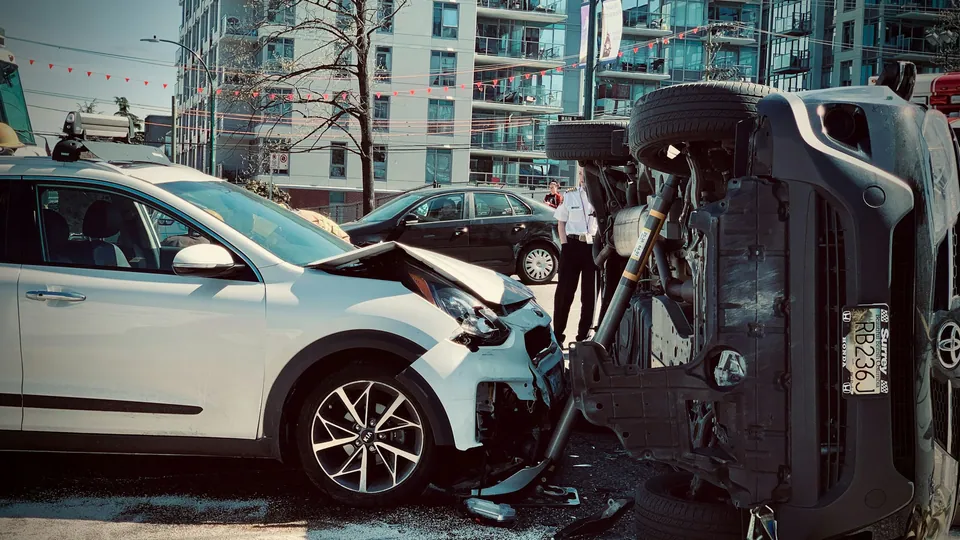
The key difference
Liability coverage pays for damage and injuries you cause to other people. It does not pay to repair or replace your own car.
"Full coverage" isn't a specific product. It's a common way to describe a policy that adds coverage for your own car, usually liability plus collision plus comprehensive. What's included can differ between insurers, so it's worth checking exactly which coverages a "full coverage" quote contains.
| Situation | Liability only | Full coverage |
|---|---|---|
| You damage someone else's car or property | Covered, up to your limits | Covered, up to your limits |
| You injure another person | Covered, up to your limits | Covered, up to your limits |
| Your car is damaged in a crash you caused | Not covered | Covered by collision, minus your deductible |
| Your car is stolen, or damaged by weather, fire or an animal | Not covered | Covered by comprehensive, minus your deductible |
| Your own medical bills | Depends on whether you add medical payments or personal injury protection, which some states require | |
What liability coverage includes
Liability coverage has two parts:
- Bodily injury liability helps pay for other people's medical costs, lost income and legal costs if you're responsible for an accident.
- Property damage liability helps pay to repair or replace other people's property, such as their car or a fence.
Limits are often written as three numbers, such as 50/100/50. In that example, the policy pays up to $50,000 for each injured person, up to $100,000 in total injuries per accident, and up to $50,000 for property damage. Almost every state sets a minimum liability amount, and the minimums differ by state.
State minimums can be low compared with the cost of a serious accident. If damages exceed your limits, you may be personally responsible for the difference, which is why many people choose limits above the minimum.
What full coverage adds
- Collision pays to repair or replace your car after a collision with another vehicle or an object, regardless of who was at fault.
- Comprehensive pays for damage from events other than collisions, such as theft, vandalism, fire, hail, flooding, falling objects and hitting an animal.
Both usually come with a deductible: the amount you pay before coverage applies. Payouts are generally limited to the car's actual cash value, meaning its market value at the time of the loss, not what you paid for it.
When full coverage may be required
If you finance or lease your car, the lender or leasing company will usually require collision and comprehensive coverage until the loan or lease ends, often with a maximum deductible. Check your agreement for the exact requirements.
If you owe more on the loan than the car is worth, ask about gap coverage, which can cover the difference if the car is totaled. Some lenders and leases include or require it.
How to decide
If you own your car outright, the choice is yours. These questions can help:
- Could you afford to repair or replace your car out of pocket if it were damaged or stolen tomorrow? If not, collision and comprehensive provide that protection.
- What is the car worth? On an older, lower-value car, the yearly cost of collision and comprehensive, plus the deductible, may approach what the insurer would pay out after a total loss. Compare the numbers for your situation.
- How much risk are you comfortable with? Weather, theft and parking conditions in your area can make comprehensive coverage more or less valuable.
- Are your liability limits high enough? Whatever you decide about your own car, liability limits protect your savings and income if you cause a serious accident.
Comparing quotes
When comparing liability-only and full coverage quotes, keep everything else the same: the same liability limits, the same deductibles and the same add-ons. That way the price difference reflects only the coverage you're deciding on. You can explore how coverage choices affect an estimate with our Car Insurance Calculator.
Frequently asked questions
Is full coverage required by law?
No state requires collision or comprehensive coverage by law. States set liability requirements, and some require other coverages such as personal injury protection. Collision and comprehensive are usually required by lenders and leasing companies instead.
Does full coverage cover everything?
No. It typically doesn't cover routine maintenance, mechanical breakdowns or wear and tear, and payouts are usually limited to your car's actual cash value minus your deductible. Policies also have exclusions, so read yours for details.
When might I drop collision and comprehensive?
Some owners consider it when their car's value has fallen enough that the coverage costs more than it's likely to pay out, and they could afford to replace the car themselves. If you have a loan or lease, you'll usually need to keep both.